
Some people consider them their favorite pets while others their favorite delicacy. Traditionally, the animal was reserved for ceremonial meals by the indigenous people in the Andean highlands, but since the 1960s, it has become more socially acceptable for consumption by all people. It continues to be a major part of the diet in Peru and Bolivia, particularly in the Andes Mountains highlands; it is also eaten in some areas of Ecuador (mainly in the Sierra) and Colombia.
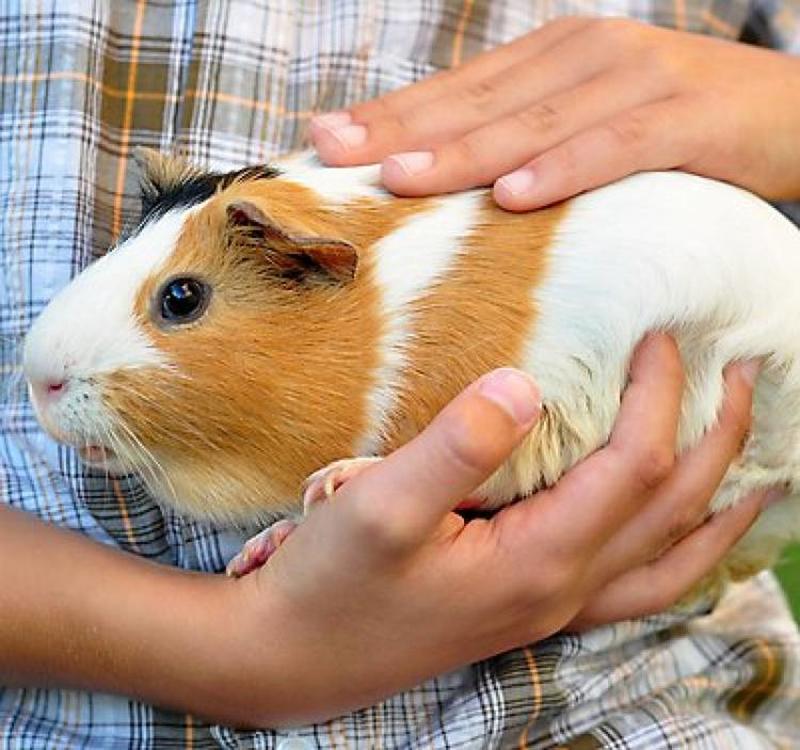
Because guinea pigs require much less room than traditional livestock and reproduce extremely quickly, they are a more profitable source of food and income than many traditional stock animals, such as pigs and cattle; moreover, they can be raised in an urban environment. Both rural and urban families raise guinea pigs for supplementary income, and the animals are commonly bought and sold at local markets and large-scale municipal fairs. Guinea pig meat is high in protein and low in fat and cholesterol and is described as being similar to rabbit and the dark meat in chickens.